
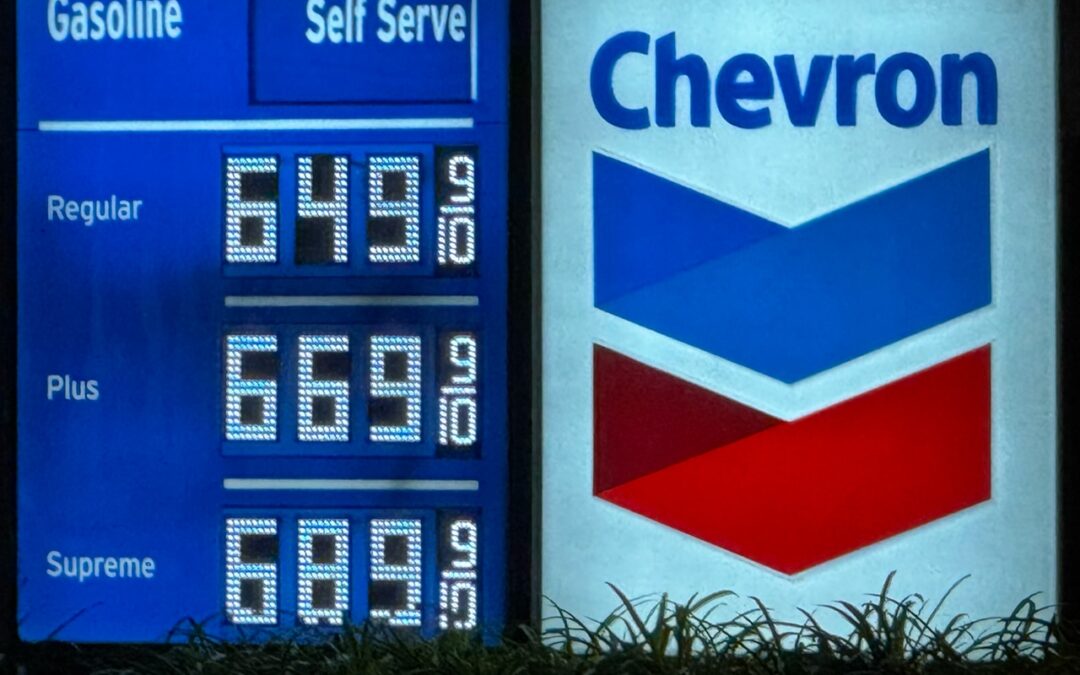
I can’t sugar coat it. We are living through a disastrous affordability crisis. And it will probably get worse.
Prices are soaring while wages remain stagnant. The costs of just about everything has risen to painful levels. And nearly half of all Americans can’t afford their basic monthly living expenses anymore.
At the same time, our safety nets – like SNAP, for example – are disappearing.
If you’re worried about your financial security, you are not alone. All of this adds up to extreme financial anxiety. Even if you’ve never been worried about money before, you might be feeling shaky about your finances now.
You can’t control the tariffs, layoffs, rising gas prices… really rising prices for everything. But you can take steps to take better control of your own money and boost your financial security.
This blog post lays out 5 simple steps you can take right now to survive this affordability crisis and be in a better position when it’s over. I’ve included some resources you can download and a lot of recommendations.
Here we go…
Step 1: Separate Financial Facts from Feelings
The chaotic economy and the constant bad news cycles whip up feelings of fear, anger, worry, and frustration. And that can spill over onto your finances no matter what shape they’re actually in.
This is the time to look at your financial facts. Examine your budget. Take stock of your net worth. List all of your available resources from cash in the bank to retirement account balances to the room left on your credit cards. Create a debt inventory for a complete picture of what you owe.
Knowing what you have and what you need will ground your financial decisions in facts.
And when you’re feeling like everything’s out of control, having the facts right in front of you can help calm things down.
Resource: Debt Inventory Worksheet
Step 2: Wait Before You Make Big Financial Moves
Before you make any major financial decisions right now, take a breath or ten. Think about the current and log-term implications. And reconsider whether what you want to do makes good financial sense. Panic moves become very common when the world feels unstable. But making those moves can turn financial instability from a feeling into a fact.
Heightened emotions can trick you into taking actions you wouldn’t otherwise take. Like selling all your stocks or cashing out your 401k. Doing things like this might make you feel safer in the moment, but they’re not the safest options for your financial future.
But financial plans that seemed solid when things were steady are still solid plans. That’s why investing is for the long-term. Because markets careen out of control in the short-term. Try not to look too often. And trust that markets rebound. And your holdings will rebound too – eventually – if you leave them alone.
Not to mention the tax effects. Because selling off investments or pulling money out of retirement accounts before you meant to comes with a big tax bill. And that will drain even more of your resources.
Before you make any major moves, talk to a trusted financial advisor. And that includes being clear about how the current economic uncertainty is making you feel. They will help you adjust your plan in a way that makes sense for the present and the future.
Resource: Financial Fears Inventory Worksheet
Step 3: Revisit Your Current Budget
The truth is that you can’t easily budget your way out of an affordability crisis. But that doesn’t mean there isn’t anything you can do.
When your income is stretched past the breaking point, your budget becomes all about priorities. Essential survival expenses are priority 1. Those include things you cannot survive without such as:
- Food
- Rent/mortgage
- Medicine
- Necessary transportation
- Utilities
- Phone
What’s essential for your life won’t be the same as what’s essential for my life. Your list may include things that aren’t on mine.
If your income can’t cover all of your basic survival expenses right now, you may need to turn to other resources – like credit cards or savings – to get through this. That can feel worrisome, but you need to take care of yourself and your family right now. That gives you the solid base you need to figure out things you can do to improve your financial situation.
If your income can cover your basic survival expenses, you have some wiggle room. And right now, saving any extra money may be your best bet. Put it in a high yield savings account where it can earn a little more. Then it will be there for you if things get tighter… and if they don’t.
Any non-essential expenses you can cut back now will open up more financial space for you. Your cutbacks will be based on what’s comfortable for you. Think about what you can let go of for now. You can always add it back in when things feel more financially secure.
Resource: Track Your Current Cash Flow Worksheet

Step 4: Pursue Additional Income Streams
Adding different income streams can help you avoid getting stuck in a situation where there’s no money coming in at all.
Income boosters to consider include:
- second job
- side gig
- renting out some storage or parking space
- rent out a room in your home
- selling ad space on your car
- start an Etsy or eBay shop
- sell printables on your own website
- affiliate marketing
- make video content and monetize it
Creating multiple income streams can help stretch your budget. Or serve as at least a partial safety net if your main income source suddenly disappears. You’ll have additional money coming in that can smooth your finances.
Step 5: Be Ready for Prices to Get Higher
I’m not saying prices will definitely keep going up, but it does seem pretty likely given everything that’s going on in the U.S. and the world.
Protecting your finances and preparing your budget for another inflation hit will help you weather any upcoming financial storms better. And when you take proactive control of your finances, you’ll be better off no matter what happens next.
Don’t Panic! You Can Get Through This Affordability Crisis with Planning and Preparation
I know all of this is scary. All of us are watching prices keep going up while our income stands still. We’re all going through this together. One up-side to this is, everyone gets what you’re going through because they’re dealing with it too.
The best thing you can do for yourself and your family right now is to plan for the worst, hope for the best, and take it all as it comes. I know that sounds a bit apocalyptic, but if you put yourself in the best position possible right now, you’ll be in a much stronger position when all of this is over.
Having a guide to help you plan will make everything a lot easier.
My Financial Recovery Workbook is an excellent guide that walks you through how to get through any financial crisis, whether it’s a nationwide affordability crisis or something that happens to you personally. This book will help you plan for the worst, so you can stay as calm as possible during the current upheaval and know that you and your family are going to be okay.
Click on the button below to learn more about the Financial Recovery Workbook and get your copy now.