

Finances are a huge part of everyone’s lives. They figure into almost everything we do. And we’re all supposed to understand how every piece of the financial puzzle works.
But there are so many terms that get thrown around in the financial world – and a lot of them are confusing. It’s practically impossible to keep up.
That’s why I want to share 5 financial terms that get used a lot, but aren’t totally understood by everyone.. You’ll come across these terms on social media, in blog posts, on the news, and in conversations. And not always used the right way.
So I want to clarify exactly what these terms mean. I give you a quick summary of what it is,explain how it works, and give an example of how you’d use it..
Consider it a “Cliff’s Notes” version of these financial terms. Something that will give you a good, basic understanding of each term, without having to read a textbook on the subject.
#1 Passive Income
Quick Summary: Money Without Labor
What it is: Money earned in a way that doesn’t involve sustained, active effort.
How it works: Passive income comes from sources that require at most minimal work. In some cases, there may be initial work involved to set up a passive income stream but then none required to keep it flowing. Examples of passive income include interest, dividends, capital gains, rental income, and other investment income.
Passive income streams that involve up-front work include things like receiving royalties for writing a book, earning revenue from affiliate marketing and online ads on your website, and publishing an online course. Having passive income can help supplement earned income (from working) or even replace it.
How it is used: Norah invested in dividend stocks to create a passive income stream.

#2 Zero-Balance Budget
Quick Summary: Every Dollar Used
What it is: a financial plan where every dollar of income is assigned a specific job.
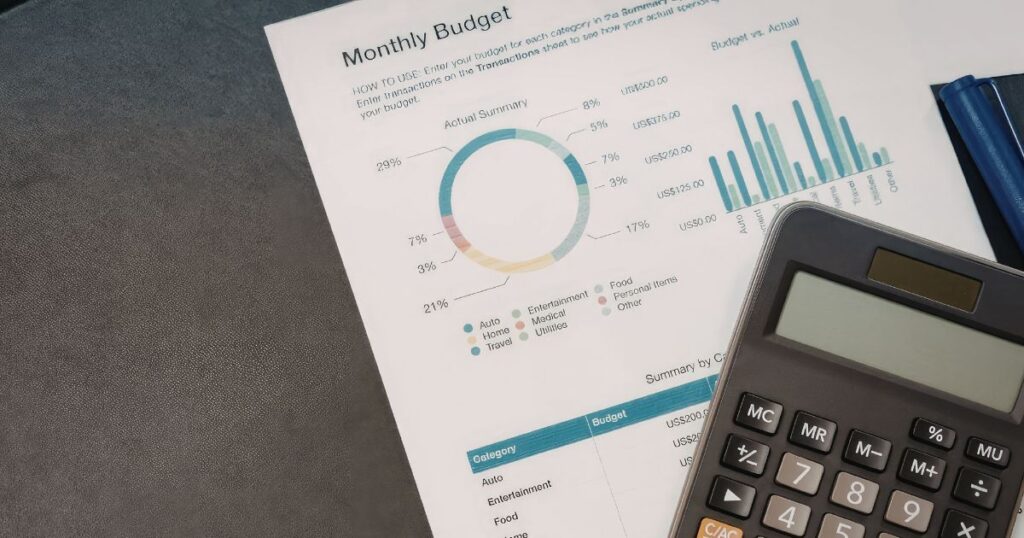
How it works: A zero-balance budget aims to account for every dollar of income every month, tightly controlling where each of those dollars goes. It doesn’t mean that every dollar gets spent. Rather, it decides in advance how each dollar will be used. That may include saving, debt paydown, or investing. This budgeting method doesn’t pull from the past to see how money has been spent. Instead it looks forward to determine how money will be spent.
Zero-balance budgeting works well for people who want to prioritize savings or debt payments, avoid using credit cards, or approach spending more mindfully.
How it is used: Don took home $3,250 every month and used a zero-balance budget to allocate every dollar.
#3 HYSA (High-Yield Savings Account)
Quick Summary: Extra Interest on Banked Money
What it is: A way to grow savings much faster than in a regular account.
How it works: HYSAs offer significantly higher interest rates than traditional savings accounts, often 10 times as much or more. Typically offered by online-only banks, HYSAs give you the opportunity to grow your savings much faster.
For example, a regular savings account may pay a 0.45% interest rate, while a HYSA pays 4.5%. Following that, the regular savings account with a $1,000 balance would earn only $4.50 in a year, while the same balance in a HYSA would earn $45.
How it is used: Sofia put her emergency savings into a HYSA so it could earn extra interest and grow faster.

#4 Disability Insurance
Disability insurance covers income replacement when you’re too injured or sick to work.
There are 2 forms of disability insurance, and I’ll address each one separately.
Short-Term Disability Insurance
Quick Summary: Work Absence Coverage
What it is: Agreement to replace a portion of lost salary due to illness or injury for 3 to 6 months.
How it works: Short-term disability insurance protects your earned income if you’re unable to work due to an illness or injury. Most policies include pregnancy coverage as well. This insurance replaces a portion of your income so that you can continue to pay your bills while you can’t work.
Benefits typically replace 40% to 70% of income for up to 6 months. Your actual payouts depend on your pre-disability earnings. This coverage is often provided by employers as part of a benefits package, but it is also available to individuals.
How it is used: Toby had short-term disability insurance through their job and used it when they missed several months of work following a car accident.
Long-Term Disability Insurance
Quick Summary: Income Replacement While You Can’t Work
What it is: Coverage that provides financial support to replace lost wages due to accident or illness after short-term coverage is used up.
How it works: Long-term disability insurance (sometimes called LTD) replaces pay for workers whose earning ability is interrupted by illness or injury for extended periods. This insurance is often provided by employers as an employee benefit, but it can be purchased by individuals as well. The payouts help people pay for regular living expenses during the time they can’t work.
According to Social Security, around 25% of Americans will experience a disabling event between age 20 and retirement. Disabling incidents include things like fractures and sprains, strokes, heart attacks, pneumonia, and pregnancy complications that can make it impossible to work.
Long-term disability insurance typically kicks in 3 to 6 months after the disability begins, and after short-term disability benefits run dry., LTD benefits can last for 2, 5, or 10 years (depending on the terms of the policy).
How it is used: Michael was grateful for his long-term disability insurance benefits after a car accident left him unable to work for years.

#5 Phantom Debt
Quick Summary: Nonexistent or Noncollectible Money Owed
What it is: Money that collectors try to get even though they can’t legally pursue it.
How it works: Phantom debt, also called zombie debt, is debt that has already disappeared from your credit report because it’s too old to appear or pursue, but a debt collector is trying to revive it. It may also include already paid-off debts or debts that aren’t yours, but collectors are aggressively attempting to get you to pay it.
You have no legal obligation to pay these debts, including the debts that have passed the statute of limitations. But – and this is crucial – if you pay the collector any amount, it can revive the debt and your legal obligation to pay.
If a debt collector has contacted you about a phantom debt, you can report them to the FTC (Federal Trade Commission) at www.ftc.gov.
How it is used: Marnie got a call from a debt collector about a phantom debt from 10 years ago that she’d already paid, so she reported them to the FTC.

Want Access to More Financial Terms in Easy-to-Understand Everyday Language?
I’ve got an entire book of them available.
Personal Finance In Plain English gives you more than 300 glossary terms that define and clarify the most commonly (and some not so commonly) used personal finance language.
Each definition is laid out just like the ones above, so you can give it a quick scan to confirm you’re correct, or read it thoroughly so you can understand it and use it in a conversation.
I break the everyday financial terms into chapters, so you’ll find relevant phrases and definitions grouped together for easy reference. It’s perfect for quick refreshers or studying up for a conversation with your financial advisor.
Click on the button below to learn more and get your copy.