

This post was originally published on February 15th, 2022. It has been updated to include more information on how to establish good credit, whether you’ve had bad credit in the past, or you’ve never had a credit score before.
Your credit score affects more than you might think, much more than just borrowing money when you need it. Unfortunately, credit scores have become a fact of life in the U.S., despite being inherently biased. That said, there are things you can do to establish credit and boost your credit score. And you can do that without taking on crushing debt.
This all starts with creating a positive credit history. But that can be difficult for many reasons, from problems with an ex to trouble paying bills to simply not borrowing money. Millions of Americans have no credit or bad credit. And that makes it hard to get access to much-needed funds, apartments, and jobs.
If your credit score needs help, or doesn’t exist, here’s what you can do and not do to establish good credit.
Why You Need Good Credit to Get By
Your credit score follows you everywhere, at least in the U.S. It’s not always fair and there are loads of problems with this system, but it’s the system we’re stuck in right now. (I’m forcing myself not to rant here about how it’s discriminatory, biased toward rich people with generational access to resources, and punishes people who’ve experienced financial crises.)
Good credit is important for the obvious reasons like better credit cards, better interest rates, and more access to financing when you need it. But your credit score doesn’t affect only borrowing. It can also affect the rest of your life.
Without good credit:
- You may not be able to rent a home
- Landlords could require higher security deposits
- You may have to pay deposits to get utilities turned on
- You could get turned down for jobs
- You may have to pay more for car, homeowners, or renters’ insurance
Inside this system, having good credit brings advantages and makes financial life easier. So figuring out ways to establish and maintain good credit can help increase your financial security and your ability to build wealth.
What Does “Good Credit” Even Mean?
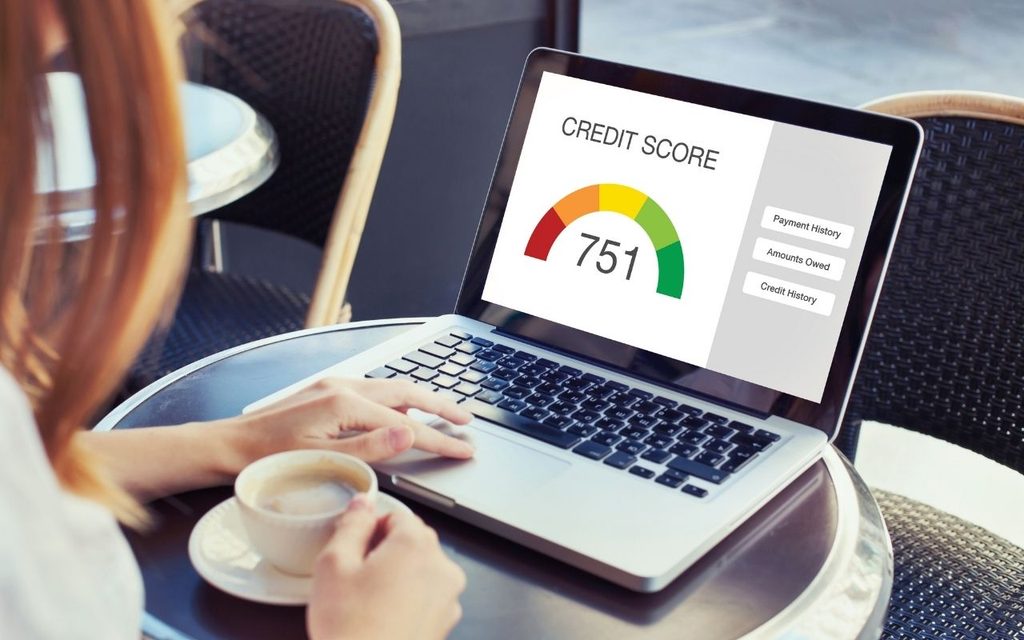
When people talk about having good credit, they’re generally talking about your credit score. While there are multiple companies that assess credit, the most commonly used is the FICO score. The score is based on 5 main factors:
- Payment history, which looks for late or skipped payments
- Utilization, the portion of your available credit that you’re currently using. For example, if you have a total $1,000 credit limit on your credit card and have spent $400, your utilization would be 40% ($400/$1,000).
- Length of credit history, meaning how long you’ve had credit in your own name, where longer is better
- Credit mix, the different types of accounts you have which could include credit cards, car loans, student loans, personal loans, and mortgages
- New credit, meaning how many new accounts you have and have applied for
All of these factors get combined into your credit score.
Under the FICO system, scoring is broken down into 5 categories:
Excellent 800-850
Very Good 740-799
Good 670-739
Fair 580-669
Poor Below 580
As long as your score is 670 or above, you’re considered a good credit risk. And that means you benefit from having good credit, and the benefits get bigger as you hit the higher categories.
But when you’re stuck in the fair or poor range, it can make a lot of things more difficult.
If you have no credit score at all, you may be in the same boat as people with bad credit. And, unfortunately, that is much more common than you’d think. This affects up to 45 million Americans including around 7 million people who have no established credit and are considered “credit invisible.” As for the rest, there’s just not enough information in their credit file to create a score.
There are a lot of reasons people have no or low credit scores. But credit checkers don’t take anything into account except for that single number. So if that number can make or break your financial life, you want it to be as good as possible.

Step 1. Know Your Current Credit Situation
Your first step is to find out what your credit history looks like right now. You can do that by getting a free copy of your credit report from www.AnnualCreditReport.com. Taking this step gives you crucial information about next steps. If there are mistakes, you can demand they be corrected. If there’s false information – which happens much more than you’d think – you can ask to have it removed.
Step 2.Get Credit in Your Own Name
If you don’t have credit in your own name, this is the time to start. Set up all of your regular bills – rent, phone, utilities, etc. – in your name. Apply for a credit card in your name and use it intentionally and regularly. Make sure to keep the balance at under 30% of your available credit. For example, if your credit limit is $1,000, keep the balance below $300. Never charge more than you can afford to pay off right away. And make sure your payments are on time.
THIS IS IMPORTANT: Don’t go into debt to build your credit.
Step 3.What to Do If You’re Struggling to Establish Credit
If you’re having trouble getting your own credit card or renting an apartment on your own, use one of these “safety net” methods to establish good credit:
- Become an authorized user on someone else’s credit card. Make sure it’s someone with good credit themselves and ask to be added to the account. That doesn’t mean you have to use that credit card at all. It just means that their credit activity and history will apply to you as well. This gives you a no credit check, perfectly safe way to build your credit history without actually having to deal with credit cards yourself.
- Secured credit cards require cash deposits up front, but in every other way they work just like regular credit cards…including making on-time monthly payments. Once you’ve established solid credit, you can cancel this card, get your deposit back, and apply for a standard credit card.
- Credit-builder loans, which are often available from community banks and credit unions, are there to help people establish credit. These loans work sort of like lay-away: You have to “pay back” the loan before you borrow it. To do that, you deposit money in a special savings account. Once you’ve built up a big enough loan deposit, you can borrow the money and pay it back.
You can use any one of these options or a combination to start creating a positive credit history. Without taking on unmanageable debt. Without risking your financial security.
Step 4. Commit to maintaining good credit.
It’s harder to repair your credit than to maintain it. You can keep your credit score strong by making some very simple moves.
- Make sure you never skip or miss a payment due date. Set up alerts on your calendar, put your bills on auto-pay, set up text reminders – anything you can do to remind yourself to pay on time.
- Keep your utilization – the amount of available credit that you’re using – under 30%.
- Don’t automatically close old credit cards once they’re paid off, even if you don’t use them anymore. They factor into your utilization and length of credit history, so canceling old cards can temporarily dent your score.
- When it comes to credit cards, do your best to pay those bills in full every month. And if you can’t do that, always pay more than the minimum payment. Even just $5 more will make more of a difference than you’d think.
- Don’t go into debt just for the sake of building credit. I know I said that earlier but it bears repeating. You do not have to be in debt to build credit.
Establishing Good Credit Isn’t as Scary As It May Sound
I realize that everything I’ve talked about here may feel like a lot. Especially if you’ve been through any sort of financial difficulty in the past.
The good news is, there are a lot of honest, reliable resources out there to help you repair or establish good credit, so you can benefit in the same ways people who already have good credit do.
One of those resources is my book, Debt 101. This book walks you through how to take control of your money by using strategies that suit your personal financial situation. You’ll learn the ins and outs of how to establish good credit in an easy-to-understand way, so you can take control of your financial situation and avoid getting into financial difficulty in the future. Find out more about Debt 101 and get your copy now.